
Visible panty lines — often shortened to the acronym VPL — are one of those small details that can shift how an outfit looks overall.
It’s not a major issue, but it can interrupt what would otherwise be a smooth silhouette. Even a well-balanced outfit can feel slightly off when those lines become visible.
The goal isn’t to eliminate every trace of structure underneath. It’s simply to create a smoother, more invisible look where your clothes fall cleanly.
What Are Visible Panty Lines (and Why They Matter)
They show up as the outline of your underwear through clothing, usually around the hips or waistband. It’s more noticeable with tight fabrics, body-hugging designs, or lighter materials where there’s less structure to smooth things out.
In practice, they tend to appear more with certain outfits — leggings, tailored pants, or a tight-fitting dress — where the fabric sits closer to the body. The closer the fit, the more likely small details underneath become visible.
It’s not always about the underwear itself. The fabric of your clothing, the fit, and even movement throughout the day all play a role in whether panty lines appear or stay unnoticed.
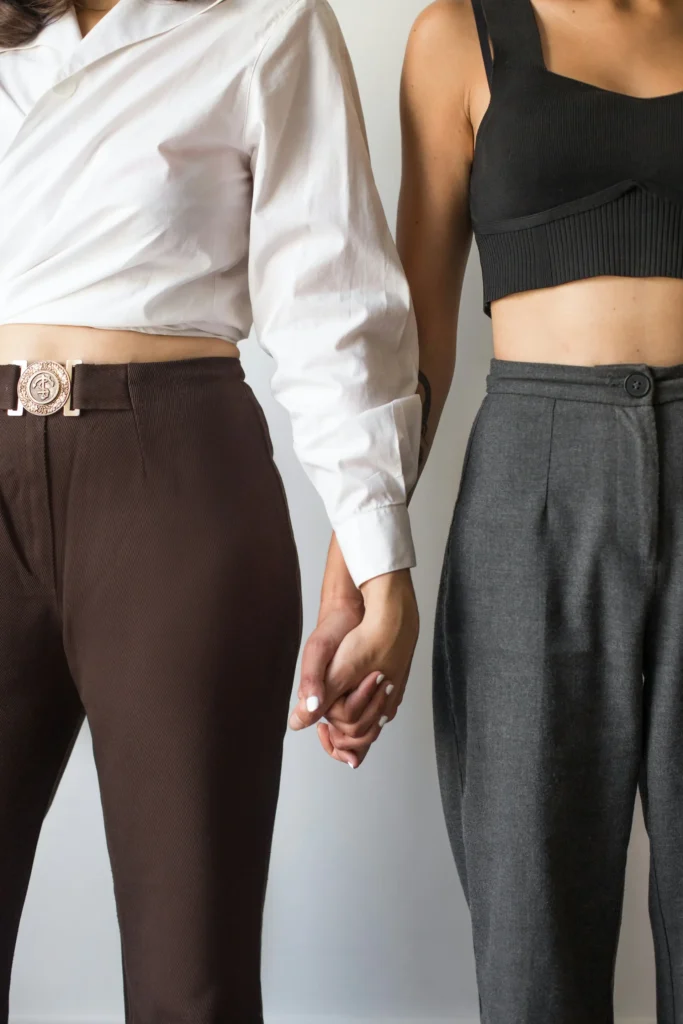
The Most Common Causes of VPL
Most visible panty lines come down to a few small but consistent factors.
Seams are usually the starting point. Visible seams and thick edges of your underwear tend to show through clingy fabrics, especially in tighter pieces like a tight-fitting dress or a favourite body-hugging dress.
Elastic waistbands can also create indentation, particularly if the fit isn’t quite right. Underwear that’s too tight will dig in, while looser styles can shift and create uneven lines.
Fabric plays an important role as well. Lightweight fabrics and stretchy materials tend to reveal more, while slightly thicker materials help smooth things out.
Color contrast adds another layer. Darker colors under light clothing — or the wrong skin tone match — can make even seamless styles more visible.
In most cases, these lines aren’t caused by one issue. It’s usually a combination of fabric of your clothing, fit, and the type of panty style you’re wearing.
The Best Underwear Styles to Avoid Panty Lines
Some styles are simply easier to wear under tight fabrics.
Seamless panties are usually the best option when you want a smooth finish. A seamless design with flat edges or raw-cut edges sits closer to the skin, which helps reduce visible lines.
Seamless briefs and seamless undies in general tend to work well for everyday wear, especially if you prefer moderate coverage or full coverage without adding bulk. Options like ultra-comfy hipsters or an invisible mid-waist hipster can offer a balance between comfort and a seamless look.
For tighter outfits, traditional thongs or minimal coverage styles are often the most reliable way to avoid lines entirely. They remove the issue rather than trying to soften it.
There are also full-coverage briefs and boy shorts that can work, but only when they’re made with thinner, more flexible materials and a seamless construction.
This tends to matter most with leggings, where even small details become more visible — especially if you’re trying to figure out how to wear yoga pants without underwear lines in a way that still feels comfortable.
If you want a more detailed breakdown of what actually works, this guide on best underwear styles to avoid visible panty lines goes deeper into each option and when to wear them.
The Best Fabrics That Stay Invisible Under Clothes
Fabric often makes more of a difference than the cut itself.
Smoother, lightweight fabrics create a more invisible look because they don’t add texture under your clothes. Microfiber, modal, and blends with four-way stretch fabric tend to sit closer to the body, almost like a second skin.
Stretchy materials with a fit-first design approach adapt better to movement, which helps maintain a smooth line throughout the day.
On the other hand, traditional underwear made from thicker cotton panties or heavily textured fabrics is more likely to create visible seams. Lace can work, but only when it has flat edges and minimal structure.
The right fabric doesn’t just reduce lines — it helps maintain a consistent shape. That’s why choosing the right fabric is often the best bet, especially under tight fabrics or bodycon dresses.
If you’re building a more reliable base, it helps to understand which materials consistently create a seamless look — something that becomes clearer once you’ve gone through the best underwear fabrics to avoid visible panty lines.
How to Wear Leggings and Tight Pants Without VPL
Leggings are usually where VPL becomes most noticeable.
The combination of stretchy materials and close fit makes it easier for the outline of your underwear to show through, especially around the waistband and hips.
The best way to reduce this is by keeping everything as smooth as possible underneath. Seamless briefs, laser-cut panties, or minimal coverage styles tend to work best with a pair of leggings.
Color also matters more than it seems. Matching your underwear to darker colors or choosing a tone close to your skin tone helps create a more invisible look.
The fabric of the leggings plays a role too. Thicker materials or higher-quality blends tend to hold their shape better, which helps reduce how much detail shows through.
It’s less about eliminating every line and more about creating a smooth finish where nothing stands out unnecessarily.

Simple Outfit Adjustments That Make a Big Difference
Not every fix comes from changing your underwear.
Sometimes the fabric of your clothing is what’s creating the issue. Clingy fabrics and very lightweight materials tend to highlight everything underneath, while slightly thicker materials create a smoother outer layer.
Prints, textures, and structure can also break up pesky lines in a way that plain fabrics don’t.
Fit plays a role as well. Body-hugging designs will naturally show more detail, while something like relaxed-fit jeans or slightly looser silhouettes reduces visibility without much effort.
Layering can help in subtle ways too. Even a small adjustment in how clothing falls can shift the final look.
Common Mistakes to Avoid
Most VPL issues come from small habits that go unnoticed.
Worn-out materials are one of the biggest factors. Over time, elastic weakens, edges lose their shape, and underwear stops sitting flat against the body. This is often when visible panty lines start to appear more clearly.
Wearing the wrong size underwear can also create unnecessary lines. A better fit usually means fewer adjustments throughout the day and a smoother overall look.
There’s also a tendency to rely on the same panty style for different outfits. What works under relaxed-fit jeans won’t always work under a tight-fitting dress or leggings.
And while seamless options are generally a good idea, not all of them perform the same. Differences in fabric, stretch, and construction can change how invisible they actually are.
Maintaining a smooth finish over time also comes down to care. Underwear that’s handled gently tends to keep its shape longer, which helps it stay less visible under clothes — something that becomes more noticeable when you start paying attention to how to care for underwear so it stays invisible and lasts longer.
Final Thoughts
Visible panty lines aren’t a major problem, but they’re one of those details that can affect how finished an outfit feels.
In most cases, the solution is simple.
It comes down to:
- choosing smoother fabrics
- paying attention to seams and edges
- matching your underwear to different outfits
- and keeping everything in good condition
Once those pieces are in place, it stops being something you actively think about.
It becomes part of the background — just another detail that works.