
Acne isn’t just a skincare issue — it’s often the result of small, repeated triggers that build up over time.
If you’ve been dealing with breakouts and wondering why they keep happening, the answer usually isn’t one single cause. It’s a mix of daily habits, lifestyle choices, and subtle patterns you might not even notice.
This comprehensive guide breaks acne down into something simple and manageable, helping you understand the root causes of acne and build a path toward healthier skin and clearer-looking skin.
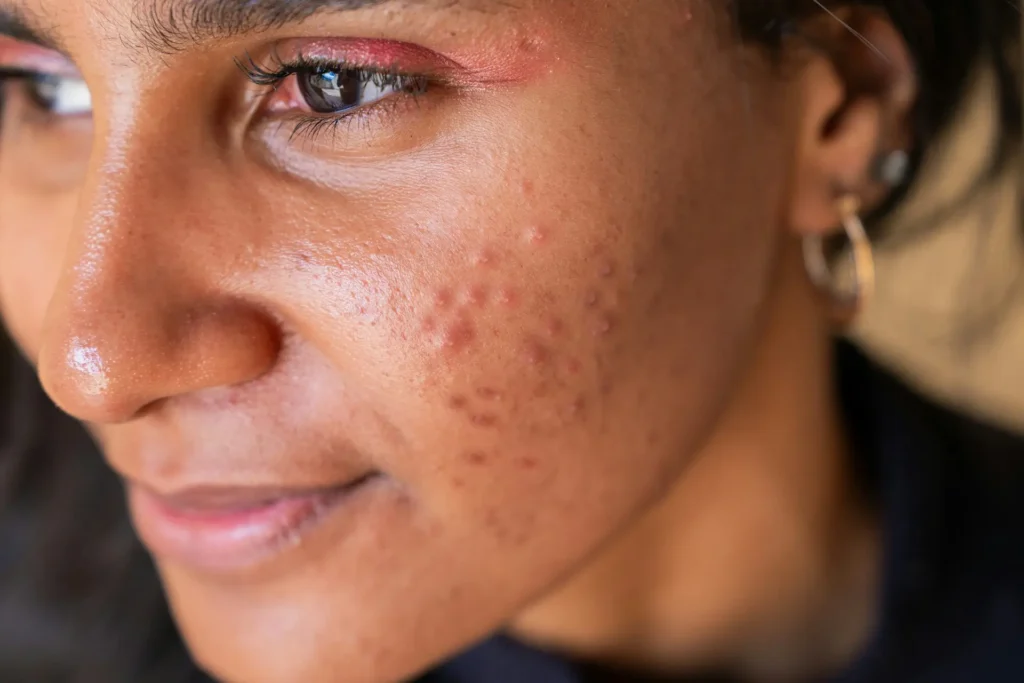
What Causes Acne
At its core, acne forms when hair follicles become clogged with oil, dead cells, and acne-causing bacteria on the skin’s surface. But that’s just the surface-level explanation.
In reality, breakouts are often influenced by a combination of:
Hormonal fluctuations
Changes in hormones can increase oil production, making pores more likely to clog. These hormonal changes are also a key factor behind hormonal acne, which can appear even in adulthood.
Excess oil production
Some skin types — especially oily skin — naturally produce more sebum, creating an environment where acne can thrive.
Bacteria buildup
When pores are blocked, bacteria can multiply and lead to inflammation. These underlying causes play significant roles in the development and acne severity of breakouts.
Lifestyle and daily habits
Small actions throughout your day can quietly contribute to breakouts.
What’s important to understand is that acne rarely comes from just one source. It’s usually the result of patterns, not isolated incidents.
That’s why looking at your daily habits is often the most effective place to start. Understanding these underlying causes is the first step toward choosing the right acne treatments and building an effective treatment plan.
Daily Habits That Trigger Acne
Many acne triggers aren’t obvious. They’re small, repetitive behaviors that slowly impact your skin over time.
These everyday patterns are often overlooked, but they’re major lifestyle factors behind recurring acne breakouts.
These habits can interfere with your skin’s natural balance, leading to more frequent or persistent breakouts.

Touching Your Face Without Realizing
Resting your hand on your cheek, picking at spots, or absentmindedly touching your skin throughout the day can transfer bacteria and oils directly to your pores.
Even if your hands look clean, they carry enough residue to contribute to clogged pores.
If this is something you do often, it can quietly become a major acne trigger.
This habit is more impactful than it seems — especially when it becomes a daily pattern like touching your face.
What You Drink Can Matter More Than You Think
Certain drinks — especially those high in sugar or stimulants — can influence your skin more than you might expect, often falling into the category of unexpected acne triggers that build up over time.
Sweetened coffee, flavored lattes, sodas, and even some fruit juices often contain high amounts of sugar, which may contribute to inflammation and increased oil production — both of which are linked to breakouts.
Caffeinated drinks can also play a role. While they don’t directly cause acne, they may affect sleep and stress levels, which can indirectly impact your skin over time.
On their own, these habits might seem harmless. But when they become part of your daily routine, they can quietly contribute to recurring breakouts.
Inconsistent Daily Habits
Your skin responds best to consistency. Irregular routines — like skipping cleansing, sleeping with makeup on, or constantly changing products — can disrupt your skin’s natural rhythm.
Over time, this inconsistency can lead to clogged pores, irritation, and more frequent breakouts.
Overcompensating When Acne Appears
A common reaction to breakouts is to do more — more washing, more products, more treatments.
But this often backfires.
Overloading your skin can strip natural oils, weaken your skin barrier, and increase irritation — which can actually make acne worse, not better.
Which can actually make acne worse, not better.
The Bigger Picture: Habit Stacking
Most people don’t have just one acne-triggering habit — they have several small ones stacking together.
For example, touching your face, drinking sugary beverages, and inconsistent routines may not seem significant individually — but together, they create the perfect environment for breakouts.
Individually, they might not seem significant. But together, they create the perfect environment for breakouts.
Over time, these habits prevent your skin from maintaining a healthy complexion and radiant skin.
These patterns — from daily acne-triggering habits to small repeated behaviors — often go unnoticed until they start showing up on your skin.
Why Acne Feels So Persistent
One of the most frustrating things about acne is how it seems to come back, even when you think you’re doing everything right.
This often happens because:
- the root habits haven’t changed
- triggers are subtle and repeated daily
- solutions are too aggressive or inconsistent
Instead of looking for a quick fix, it’s more effective to:
- identify patterns
- simplify your approach
- focus on consistency
Clear skin isn’t usually about doing more — it’s about doing the right things, consistently.
Without addressing the root causes of acne, even the most popular acne treatment products won’t deliver visible results.
A Shift in Approach
If you’ve been treating acne like a random problem, it can feel unpredictable and out of control.
But when you start seeing it as a result of:
- habits
- patterns
- small daily triggers
…it becomes something you can actually manage.
The goal isn’t perfection — it’s awareness and adjustment.
Once you understand what’s contributing to your breakouts, you can begin to make small changes that lead to real, visible improvement.
Common Skincare Mistakes That Make Acne Worse
When dealing with acne, it’s easy to assume the solution is better skincare. But in many cases, it’s not about doing more — it’s about avoiding the habits that quietly make things worse.
Overwashing Your Skin
Washing your face too often can strip your skin of its natural oils and disrupt your skin’s health. While it might feel like you’re “cleaning away” acne, you’re actually disrupting your skin barrier.
This is especially important for dry skin, sensitive skin, or reactive skin, which can become irritated more easily.
This can lead to:
- increased oil production
- irritation
- more breakouts over time
A balanced approach is far more effective than an aggressive one.
Using Too Many Products at Once
Layering multiple treatments, serums, and actives can overwhelm your skin — especially if you’re trying to fix acne quickly.
Mixing too many active ingredients like salicylic acid, benzoyl peroxide, or even lactic acid can overwhelm your skin instead of improving it.
Instead of improving your skin, this often causes:
- sensitivity
- dryness
- inflammation
Which can make acne appear worse or last longer.
Constantly Switching Products
Trying something new every few days might feel proactive, but your skin needs time to adjust.
Frequent changes can:
- confuse your skin
- prevent real progress
- make it harder to identify what’s actually working
Consistency is one of the most underrated factors in improving acne.
Focusing Only on Products
Skincare plays a role, but it’s only part of the picture.
If daily habits and lifestyle triggers aren’t addressed, even the best routine won’t fully solve the problem.
That’s why combining the right products with better daily habits is what leads to healthier skin and visible improvements.
A Simple Acne Skincare Routine for Acne-Prone Skin
Instead of complicated routines, acne-prone skin responds best to something simple, consistent, and easy to maintain.
The goal isn’t perfection — it’s balance.
Step 1: Gentle Cleansing
Cleanse your face twice a day using a non-comedogenic cleanser to gently remove oil, dirt, and buildup from the skin’s surface.
This helps remove excess oil, dirt, and buildup from the day without stripping your skin or causing irritation.
This first step helps maintain proper cell turnover and prevents clogged pores.
Step 2: Keep It Minimal
Avoid overloading your skin with too many products. A basic routine is often more effective than a complex one.
Focus on a gentle cleanser, a lightweight non-comedogenic moisturizer (ideally with ingredients like hyaluronic acid or essential ceramides), and a targeted treatment only if needed.
Keeping things minimal reduces the risk of irritation and makes your routine easier to stick to.
Step 3: Stay Consistent
Consistency matters more than intensity.
Using a simple routine every day will always outperform:
- inconsistent routines
- aggressive treatments used occasionally
Your skin improves through steady, repeated care — not quick fixes.
This consistency is what supports long-term skin health and leads to clearer-looking skin.
Step 4: Support Your Skin Through Habits
Even the best routine won’t work if daily habits are working against it. Supporting your routine with a healthy diet, balanced diet, and basic stress management can also improve your overall skin condition.
That’s why it’s important to combine your routine with:
- avoiding unnecessary face touching
- being mindful of what you consume
- maintaining regular habits
Following a simple acne routine consistently is what makes the biggest difference over time.
Step 5: Sun Protection
Protecting your skin from sun exposure is essential, especially if you’re dealing with acne or acne scars.
Use a broad-spectrum sunscreen or non-comedogenic sunscreen daily to protect your skin and reduce the risk of dark spots, post-inflammatory hyperpigmentation, and long-term damage like skin cancer.
Proper sun protection also helps maintain a more even and healthier complexion over time.
Confidence & Mindset with Acne
Acne isn’t just physical — it can affect how you see yourself. Acne is one of the most common skin conditions, and it affects people across all ages and skin types.
It’s easy to feel like breakouts define your appearance, especially when they’re persistent. But your skin is only one part of how you present yourself.
Acne Is More Common Than You Think
Many people experience acne at different stages of life — not just during teenage years.
It’s normal, and it doesn’t reflect:
- your hygiene
- your discipline
- or your overall self-worth
Avoid Letting Acne Control Your Confidence
When acne becomes the focus of your attention, it can start to shape how you think and act.
But confidence doesn’t come from perfect skin — it comes from how you carry yourself despite imperfections.
Small shifts can help:
- focusing less on mirrors
- avoiding constant checking
- redirecting attention to other areas of your life
Progress Over Perfection
Clear skin doesn’t happen overnight.
There will be:
- good days
- breakout days
- in-between phases
What matters is consistency and patience — not immediate results.
Taking Back Control
Understanding your acne gives you back a sense of control.
Instead of feeling stuck, you begin to:
- recognize patterns
- adjust habits
- make intentional choices
And that shift alone can change how you experience your skin.
Building confidence with acne is just as important as treating the breakouts themselves.
Taking care of your skin step by step — and staying consistent every step of the way — is what leads to real progress.
Bringing It All Together
Acne can feel like a complex skin concern, but when you break it down, it becomes much easier to manage.
At its core, clearer skin comes from:
- understanding what causes acne
- recognizing daily habits that contribute to it
- avoiding common mistakes
- following a simple, consistent routine
- maintaining a balanced mindset
It’s not about doing everything perfectly — it’s about making small, consistent improvements over time.
Over time, this approach helps improve overall skin health, reduce skin imperfections, and support a more beautiful skin outcome.
Final Thoughts
Acne doesn’t come from one mistake — and it doesn’t go away with one perfect fix.
It’s shaped by what you do every day. Small habits, repeated over time, either support your skin or work against it.
The shift happens when you stop chasing quick solutions and start paying attention to patterns — noticing what triggers your breakouts, simplifying your routine, and staying consistent even when progress feels slow.
That’s where real change happens.
Clear skin isn’t about doing more — it’s about choosing the right habits, using the right approach, and staying consistent with what actually works.