
You can be doing everything right — using the right skincare, following a routine, even trying to eat better — and still dealing with breakouts.
That’s often because some acne triggers aren’t obvious.
They’re small, everyday things that don’t immediately seem connected to your skin, but over time, can quietly contribute to breakouts.
In this guide, we’ll look at some of the most overlooked causes of acne — from skincare ingredients to diet — and why they’re so easy to miss.
If you want a broader understanding of how acne forms, it helps to start with a complete overview of the different causes and patterns behind breakouts.
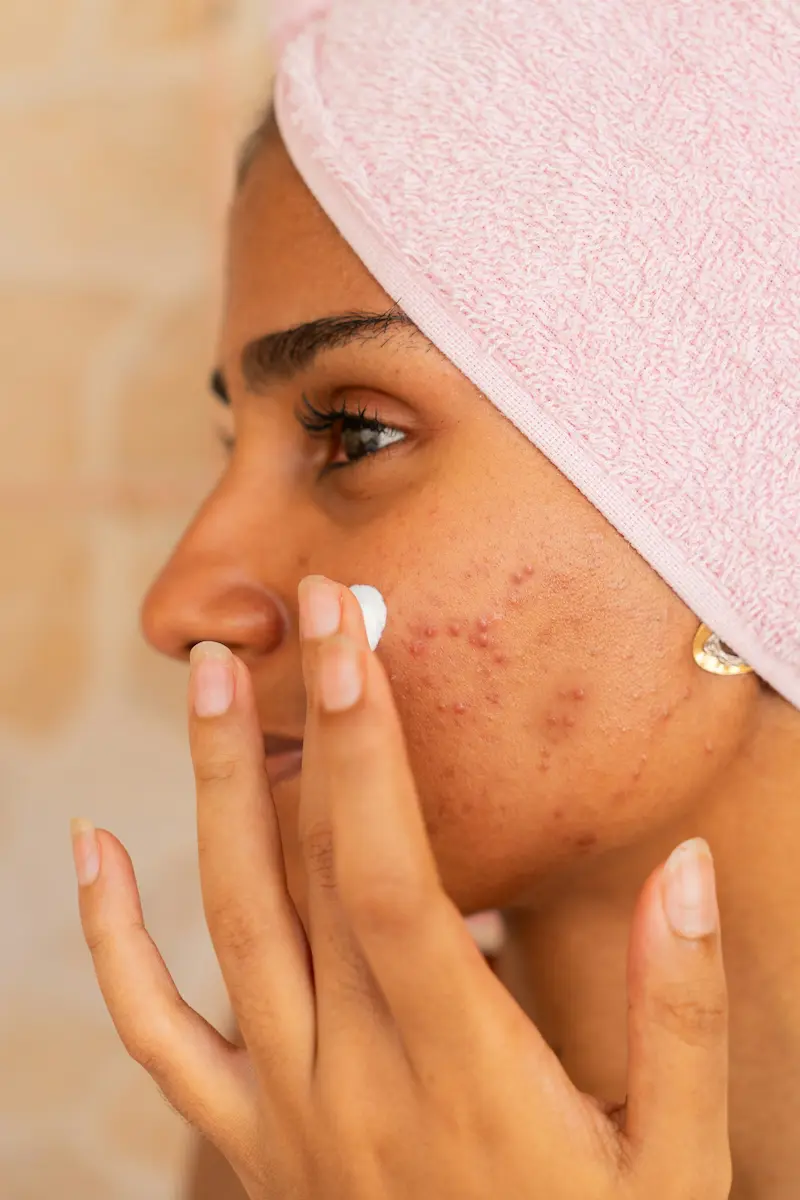
Skincare Ingredients That Can Trigger Breakouts
Not all skincare ingredients work the same for everyone — and some that are considered “hydrating” or “nourishing” can actually contribute to breakouts, especially for acne-prone skin.
One of the most common examples is heavier, more occlusive ingredients. Oils like coconut oil or very rich creams can sit on the skin’s surface and make it easier for pores to become clogged. While these can work well for dry skin, they may feel too heavy for breakout-prone or oily skin types.
Texture also plays a role. Thick moisturizers, dense sunscreens, or layering multiple products at once can create buildup over time — even if each product is considered “good” on its own.
Active ingredients can also become problematic when overused. Exfoliating acids or strong treatments are often meant to improve skin texture, but using too many at once can irritate the skin, disrupt its barrier, and lead to more breakouts instead of fewer.
Fragrance and certain additives are another factor. While they make products feel more luxurious, they can trigger irritation for sensitive or reactive skin, which can sometimes show up as breakouts rather than redness.
Even makeup can contribute. Foundations or primers that don’t suit your skin type — especially if worn for long periods or not fully removed — can create an environment where pores become clogged more easily.
What feels nourishing, lightweight, or “clean” doesn’t always translate to what works best for your skin — which is why paying attention to how your skin responds over time matters more than following general rules.
Products That Might Not Suit Your Skin
Sometimes it’s not a specific ingredient that’s causing breakouts — it’s the product as a whole.
A formula can be well-made, popular, and even recommended, but still not work for your skin. This is especially common when products don’t match your skin type or when too many are used at the same time.
For example, a cleanser that feels “deep cleaning” might actually be too harsh, stripping your skin and triggering more oil production in response. On the other hand, a moisturizer designed for dry skin may feel too heavy for someone with oily or breakout-prone skin, leading to clogged pores over time.
Makeup can also play a role. Foundations, concealers, or primers that sit on the skin for long hours — especially without proper removal — can contribute to buildup and make breakouts more likely.
Even products labeled as non-comedogenic or suitable for acne-prone skin don’t work universally. Skin can react differently depending on your routine, environment, and how products are layered together.
Constantly switching products can make this even harder to track, preventing your skin from adjusting and making it difficult to identify what’s actually helping or triggering breakouts — which is why a simple, consistent routine tends to work far better over time.
In many cases, it’s not about finding the “perfect” product — it’s about finding what works for your skin and giving it enough time to respond.
Supplements & Diet Triggers
Some of the most overlooked acne triggers come from what you consume daily — not just what you put on your skin.
These triggers don’t affect everyone the same way, but certain patterns tend to show up repeatedly, especially when it comes to sugar, caffeine, and highly processed foods.
Energy Drinks
Energy drinks are one of the more underestimated factors when it comes to acne.
They typically combine high amounts of sugar, caffeine, and artificial additives — all of which can influence your skin. Sugar may increase inflammation and oil production, while caffeine can affect stress hormones like cortisol, which are often linked to breakouts.
Over time, this combination can create an environment where acne becomes more likely, especially when combined with other daily habits.
Everyday Drinks & Hidden Sugar
It’s not just energy drinks.
Sweetened coffee, flavored lattes, sodas, and even some fruit juices can contain surprisingly high amounts of sugar. When consumed regularly, this can contribute to inflammation and disrupt your skin’s balance.
Even drinks that seem harmless — like multiple cups of coffee a day — may indirectly affect your skin if they impact sleep or stress levels.
This becomes even more relevant when combined with other daily habits — like stress or unconscious behaviors such as touching your face.
Processed Snacks & Supplements
Certain foods and supplements can also play a role, depending on how your body reacts.
Things like protein bars, highly processed snacks, or specific supplements (such as biotin or fish oil) have been linked anecdotally to breakouts for some people.
This doesn’t mean they’re inherently bad — but if breakouts feel persistent, it’s worth looking at patterns in your diet rather than focusing on one single item.
Even “Good” Ingredients Can Break You Out
Some ingredients are widely known for being beneficial — but that doesn’t mean they work the same for everyone.
Hyaluronic acid, for example, is often used to hydrate the skin. But depending on your environment or routine, it can sometimes leave skin feeling tight or unbalanced, especially if there isn’t enough moisture to support it.
Natural oils are another example. Ingredients like coconut oil or certain plant-based oils are often praised for their nourishing properties, but they can feel too heavy for acne-prone skin and may contribute to clogged pores.
Even ingredients marketed as calming — like aloe vera, algae extracts, or certain botanical blends — can trigger breakouts if your skin is sensitive or reactive.
The same goes for “clean beauty” or “natural” products. Just because something is natural doesn’t mean it won’t affect your skin.
At the end of the day, it’s less about whether an ingredient is considered “good” or “bad” — and more about how your skin responds to it.
In some cases, breakouts happen not because of a single ingredient, but because of how products interact with each other. Layering multiple hydrating or active formulas can create a heavier overall effect on the skin, increasing the likelihood of congestion over time.
This is especially common with richer moisturizers, heavy sunscreens, or layering multiple products at once. What feels hydrating in the moment can sometimes lead to buildup over time — particularly for breakout-prone skin.
Why These Triggers Are Easy to Miss
One of the biggest challenges with acne is that triggers are rarely immediate.
A breakout might appear days after the actual cause, making it difficult to connect the dots. Because these habits — skincare, diet, daily routines — are repeated regularly, they often go unnoticed.
This is why acne can feel random or unpredictable.
In reality, it’s often the result of small patterns building up over time rather than one single cause.
This delayed reaction is what makes identifying acne triggers so frustrating — and why simplifying your routine is often the easiest way to spot what’s actually affecting your skin.
Final Thoughts
Acne isn’t always caused by obvious mistakes — sometimes it’s the things you don’t think about that have the biggest impact.
The goal isn’t to eliminate everything at once, but to start noticing patterns.
Once you understand what might be triggering your skin, it becomes much easier to adjust your habits and move toward clearer, more balanced skin — and to feel more in control of your skin instead of frustrated by it.