
Not all luxury brands are built to be seen from across the room. Some are designed to be recognized only by those who know what to look for.
In the world of quiet luxury, brands take a different approach—one rooted in restraint, quality, and longevity rather than visibility. These are labels that don’t rely on logos or seasonal hype, yet consistently define modern elegance.
To understand how these brands fit into the broader aesthetic, explore our complete guide to quiet luxury style.

What Defines a Quiet Luxury Brand
A quiet luxury brand isn’t about price alone—it’s about how that price is expressed.
What separates these brands from traditional luxury is not just price or exclusivity, but consistency. They rarely rely on seasonal reinvention, instead refining the same silhouettes, materials, and proportions over time. This creates a recognizable identity that doesn’t depend on visibility.
This distinction becomes even clearer when compared to more expressive fashion, as explored in our breakdown of quiet luxury vs loud luxury.
Over time, these qualities create something more valuable than recognition: trust. Customers return not because of trends, but because they know exactly what to expect.
The most recognizable traits tend to show up consistently across these labels:
Minimal or invisible branding
Logos are absent or extremely subtle. You won’t find oversized monograms or statement prints—just clean, uninterrupted design. In many cases, branding is only visible on the inside label.
Exceptional materials
Think cashmere, wool, silk, and premium leather. Fabric is the starting point, not an afterthought. These materials are selected not only for how they look, but how they age and improve over time.
Timeless silhouettes
Pieces are designed to outlast trends. Tailoring is precise, cuts are classic, and collections evolve rather than reinvent. Many items can be worn for years without feeling outdated.
Craftsmanship over marketing
These brands invest more in construction than campaigns. The value is in how something is made—not how loudly it’s promoted. Details like stitching, lining, and fit are treated as priorities, not extras.
Discretion as identity
There’s an intentional quietness. The appeal lies in being recognized by a trained eye, not the general public. This creates a sense of exclusivity without relying on obvious signals.
Core Quiet Luxury Brands
While many brands adopt elements of minimalism, only a select group consistently aligns with the principles of quiet luxury. These labels are known for restraint, material quality, and a long-term design perspective rather than short-term trends.
Below are some of the most relevant understated luxury brands today, grouped by positioning and accessibility.
These brands don’t just define how people dress—they also reflect a broader shift toward intentional living, explored further in our guide to the quiet luxury lifestyle.

Heritage / High-End
These brands represent the highest level of quiet luxury. They are defined by exceptional materials, long-standing craftsmanship, and a consistent design language that has remained refined over decades.
Loro Piana
Known for some of the finest cashmere and wool in the world. Its pieces are understated to the point of anonymity—luxury you feel, not see. The focus is entirely on material excellence and comfort.
Brunello Cucinelli
Blends craftsmanship with a refined, humanistic philosophy. Soft tailoring and neutral palettes define its aesthetic. Its collections are designed to feel effortless yet elevated.
The Row
Founded by Mary-Kate Olsen and Ashley Olsen, The Row is synonymous with modern minimalism—perfect cuts, muted tones, and zero excess. Each piece emphasizes proportion and precision.
Bottega Veneta
Famous for its “no logo” philosophy. Its woven leather (intrecciato) is instantly recognizable without needing branding. The brand proves identity can exist without visibility.
Modern Minimal Brands
These brands take the core principles of quiet luxury and translate them into a more contemporary, accessible wardrobe. They often serve as an entry point into the aesthetic while maintaining strong design consistency.
Toteme
Clean lines, structured silhouettes, and a cohesive wardrobe philosophy. Toteme is often seen as a gateway into quiet luxury. Its collections are designed to be worn together rather than as standalone pieces.
Lemaire
Understated and architectural. Known for fluid shapes and earthy tones that feel both intellectual and wearable. The brand focuses on movement and ease rather than rigid structure.
Khaite
Combines minimalism with subtle femininity. Elevated basics with strong structure and luxurious fabrics. It brings a slightly more expressive edge while staying refined.
COS
More accessible, but still aligned with quiet luxury principles—clean design, neutral palettes, and consistency. It offers a simplified version of the aesthetic at a more approachable price point.
Emerging / Under-the-Radar
Less visible but equally aligned with the aesthetic, these brands are often favored by those already familiar with quiet luxury. They prioritize design integrity over mass recognition.
Studio Nicholson
Precision tailoring and volume-focused silhouettes. Quietly gaining recognition among minimalists. The brand emphasizes proportion and structure over decoration.
Joseph
Refined essentials with a strong focus on fabric and fit. Often overlooked, but highly consistent. Its strength lies in understated, wearable pieces that integrate easily into a wardrobe.
Filippa K
Sustainability-driven minimalism. A long-standing player in understated Scandinavian design. Its approach combines simplicity with long-term wearability.
Why Quiet Luxury Brands Stand Out Today
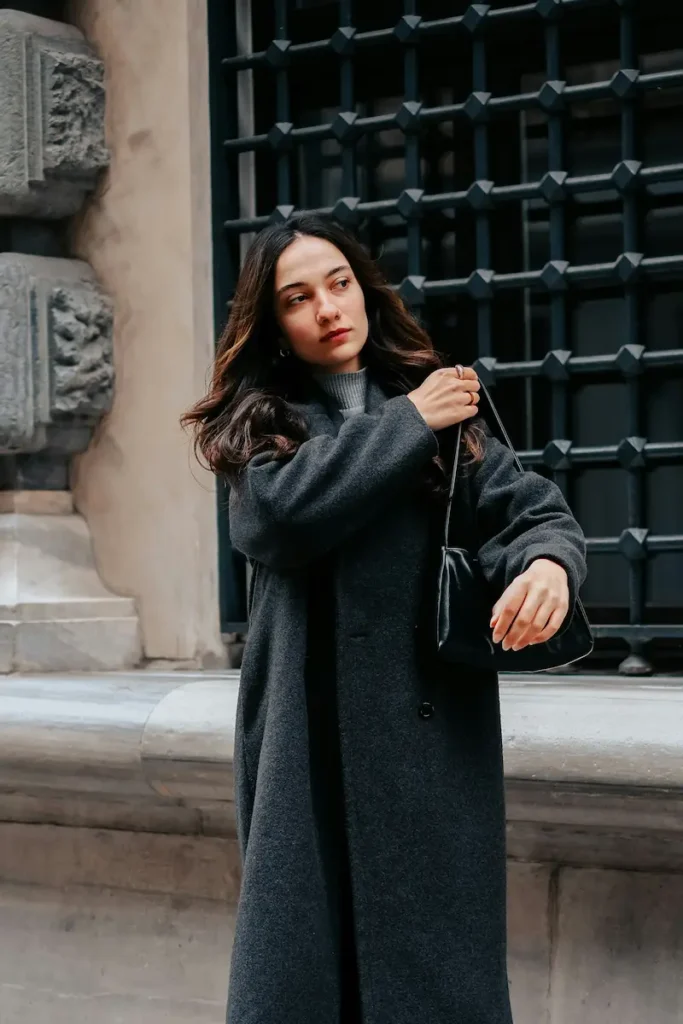
In a market saturated with fast fashion and logo-driven marketing, quiet luxury brands stand apart by doing less—but doing it better. Their appeal isn’t based on visibility, but on consistency and long-term value.
Unlike trend-focused labels, these brands are built around permanence. Collections evolve slowly, often refining the same silhouettes and materials rather than replacing them each season. This creates a sense of continuity that’s rare in modern fashion.
There’s also a shift in how luxury is perceived. Instead of signaling status outwardly, many consumers are prioritizing quality, comfort, and discretion. Quiet luxury brands meet that demand by focusing on what the wearer experiences rather than what others see.
In this context, their restraint becomes a defining strength. The absence of logos, the muted palettes, and the emphasis on craftsmanship all contribute to a more considered and enduring form of luxury.
How to Identify a Quiet Luxury Brand
You don’t need a price tag to recognize one—there are clear signals once you know what to look for.
Once you understand the patterns, identifying these brands becomes intuitive. It’s less about labels and more about recognizing consistency in design, materials, and overall presentation.
No visible logos
If branding is the focal point, it’s not quiet luxury. Labels in this space let design speak for itself. The absence of logos is often intentional, not accidental.
Consistency across collections
These brands don’t reinvent themselves every season. Their identity remains stable and recognizable. Over time, this builds trust and a clear aesthetic signature.
Fabric-first design
The material dictates the garment. You’ll notice how pieces drape, feel, and age over time. Quality becomes obvious through wear, not marketing.
Muted, cohesive color palettes
Neutrals dominate—black, cream, navy, camel, grey. Color is used sparingly and intentionally. This allows pieces to integrate seamlessly into a wardrobe.
Low trend dependency
If a brand heavily follows trends, it’s unlikely to fit this category. Quiet luxury prioritizes longevity over relevance. Designs are meant to last beyond a single season.
How to Choose the Right Brand for You
Not every quiet luxury brand will suit your lifestyle or wardrobe. Choosing the right one is about alignment—not status.
Choosing the right brand is less about status and more about alignment. The goal is to find labels that fit seamlessly into your lifestyle while maintaining a consistent aesthetic.
Ultimately, the goal isn’t to follow a specific brand, but to build a wardrobe that feels consistent and intentional. The right brand simply makes that process easier.
Budget vs. investment
High-end brands like Loro Piana or The Row are long-term investments. More accessible brands like COS or Filippa K can offer a similar aesthetic at a lower entry point.
If you’re approaching this aesthetic more gradually, our guide to achieving quiet luxury on a budget offers a more accessible starting point.
Lifestyle compatibility
Your daily life matters. Tailored minimalism might suit a professional setting, while softer silhouettes may work better for a more relaxed routine. The right brand should feel natural, not forced.
Versatility of pieces
Look for brands that create cohesive wardrobes. The ability to mix and match effortlessly is a key advantage. This reduces the need for constant new purchases.
Personal aesthetic
Even within quiet luxury, there’s variation. Some brands lean structured and sharp, others soft and fluid—choose what feels natural to you. Subtle differences can define your entire look.
Final Thoughts
Quiet luxury brands don’t try to stand out—and that’s exactly the point. Their value isn’t in recognition, but in consistency: the same materials, the same restraint, the same attention to detail over time.
Choosing the right one isn’t about knowing every name. It’s about understanding what to look for—and recognizing it when you see it.
Beyond fashion, this mindset extends into how you live and curate your environment, as explored in our quiet luxury home decor guide.